



The answer is no, not yet. Otherwise we probably would.
Why? I am here to answer all of your burning curiosities. But only specifically about the radiation. So maybe not all of your curiosities. Just the ones related to why we cannot survive on Mars (yet) because of the radiation.

This webpage is for:
- Curious space enthusiasts
- Curious enthusiasts not necessarily into space
- Researchers who really should not be learning about this from here
- Aliens who want to understand the limitations of the human body
- Billionaires who want to create an extraterrestrial vacation home
WHAT'S THE PROBLEM, REALLY?
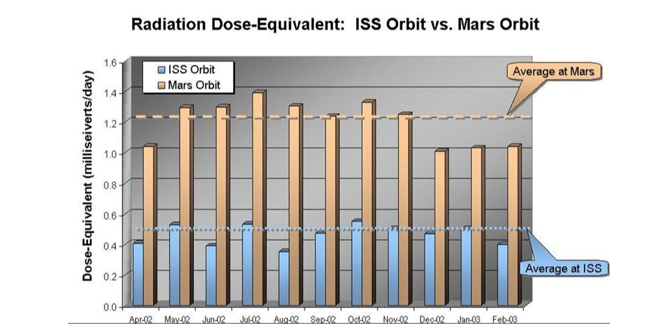
"What are the challenges with radiation exposure on Mars?", you might be asking, in your quest for knowledge. According to a paper on "Orbital and Planetary Challenges for Human Mars Exploration", the orbit around the planet contains high doses of cosmic radiation. This is shown by the chart on the left, which compares the radiation dose equivalent in ISS orbit and on Mars. The radiation levels on Mars are significantly higher than those in ISS orbit, which poses a serious risk to human health.
Even if we were to build habitats on the surface rather than the orbit - half of this orbital radiation then reaches the surface of Mars, because Mars "does not have an extensive magnetosphere, dense atmosphere or an ozone layer". Even just 3 years on Mars' surface builds a radiation dose that exceeds the NASA astronaut career limit.
"
AND WHY DOES IT MATTER?
There are many health risks associated with heavy and/or prolonged exposure to radiation, such as:
- Increased risk of cancer (radiation-induced DNA mutations)
- DNA strand and tissue damage
- Cataracts
- Immunological effects
- Damage to the central nervous system (CNS)
and so on.
"I would especially like to highlight the last point about damage to CNS. A study published on nature.com found that even low doses of charged particles caused lower cognitive performance in rodents, with very little signs of recovery between 12 and 24 weeks post-exposure. This was attributed to reductions in "dendritic complexity, spine density and altered spine morphology", as well as "disrupted synaptic integrity and increased neuroinflammation".


SO WHAT CAN WE DO?
At least right now, the surface is completely uninhabitable, especially because of the risks associated with exposure being permanent. There are several strategies being explored to mitigate these risks, all of which involve shielding areas through overhead protection. Some are shown below.
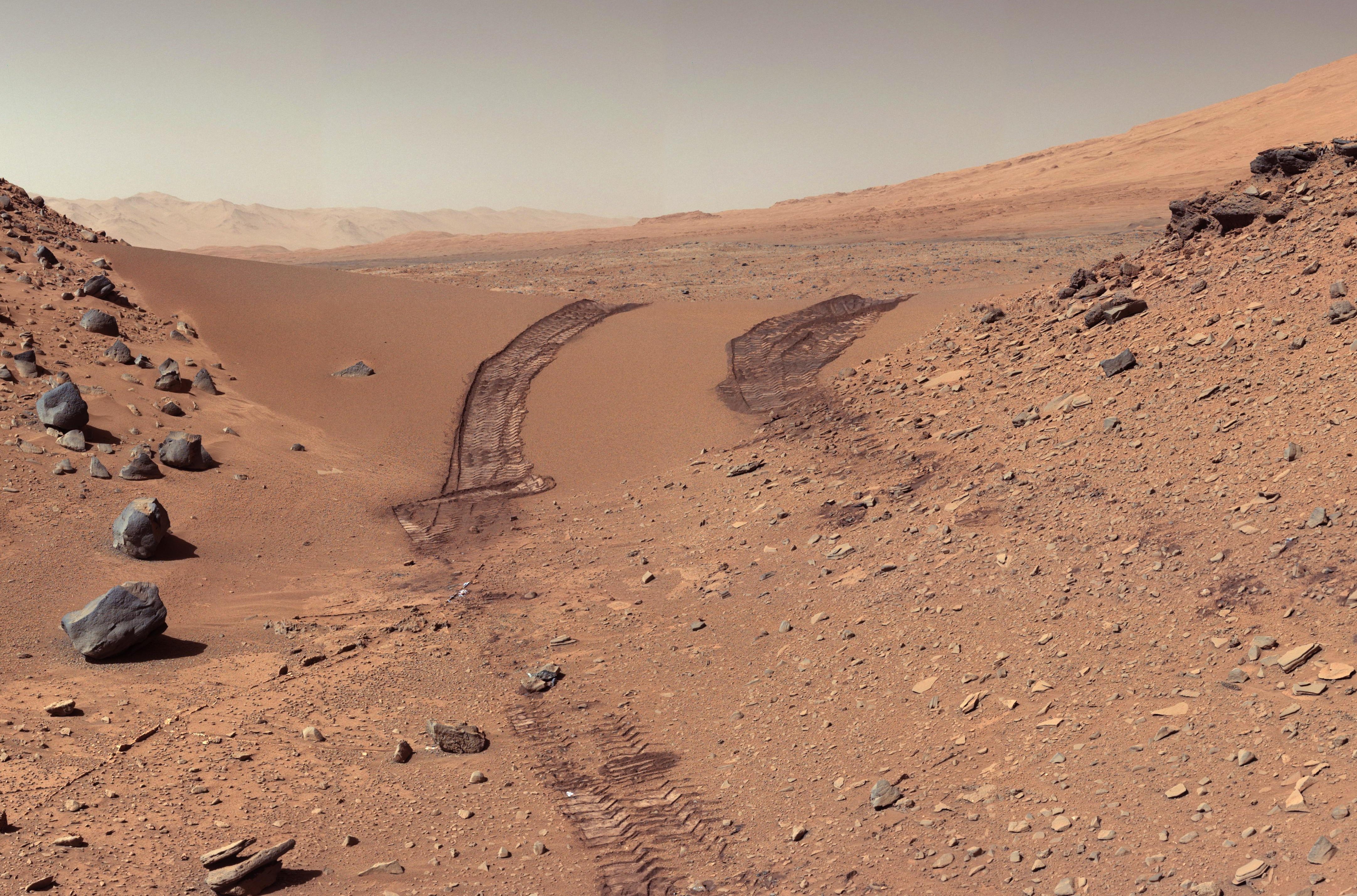
USING MATERIALS NATIVE TO MARS' SURFACE
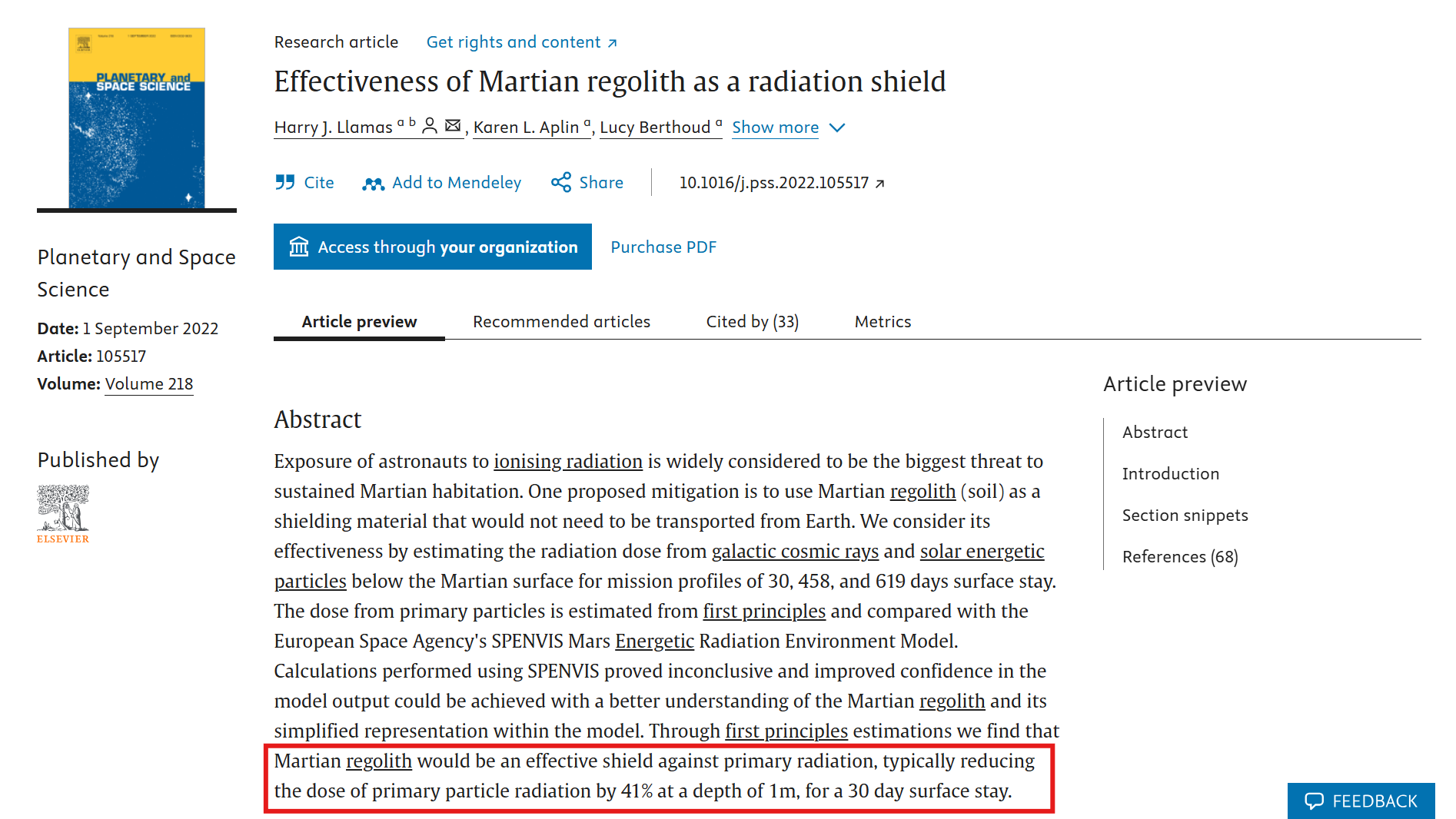
Soil on Mars reduces the radiation dose by ~41% at 1 meter of depth, but hits diminishing returns. To reach 50% would require at least 5 meters.

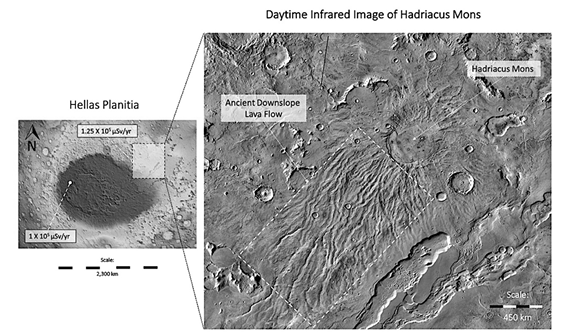
USING LAVA TUBES
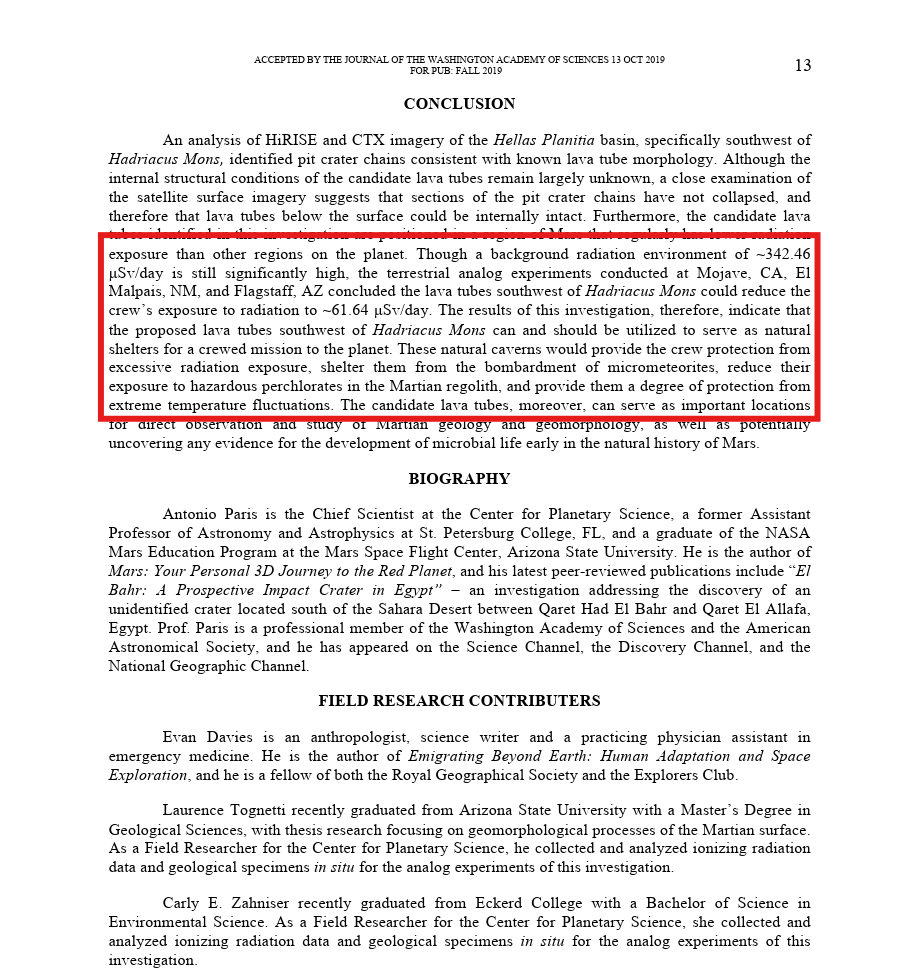
A lava tube is a natural underground tunnel formed by flowing lava. Modeling suggests that a lava tube could reduce exposure from ~342 µSv/day on the surface to about 62 µSv/day inside. (~82% decrease)
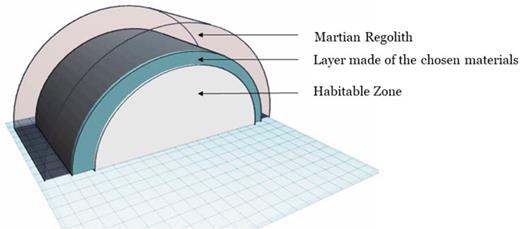
ENGINEERING OUR OWN PROTECTION
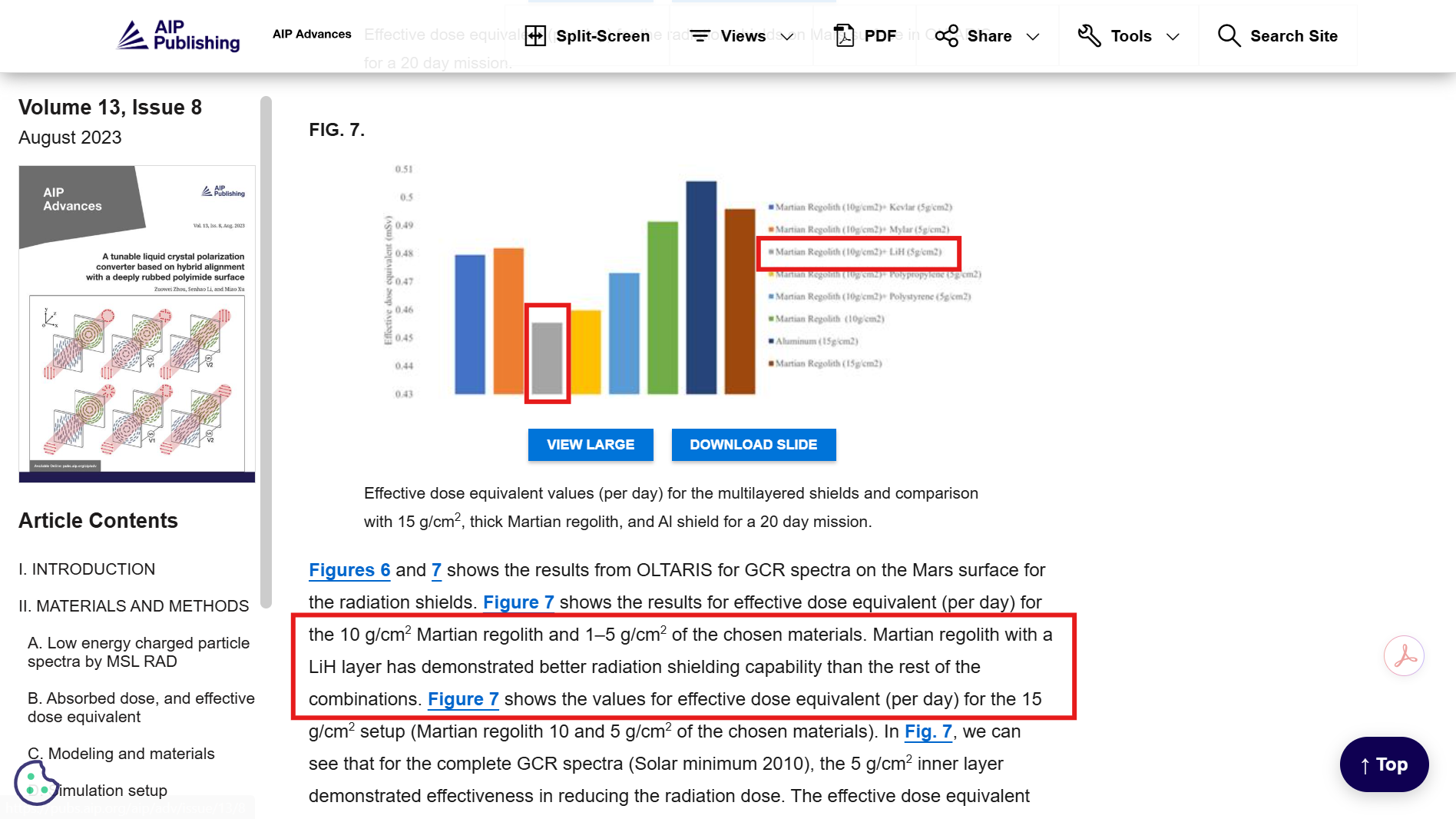
Rather than thickness, this method argues for better materials. A thinner shield made of Martian soil and a hydrogen-rich material like lithium hydride blocks radiation better than soil or aluminum alone, but only a little better. We need good materials AND thickness.

HOW CAN I USE THE RESOURCES YOU'VE SO KINDLY AND THOUGHTFULLY PROVIDED?
Let's say, hypothetically, you're a billionaire looking to research ways to build an interplanetary vacation home.
I would first take the time to go through the first three papers and understand the risks and challenges associated with visiting Mars.
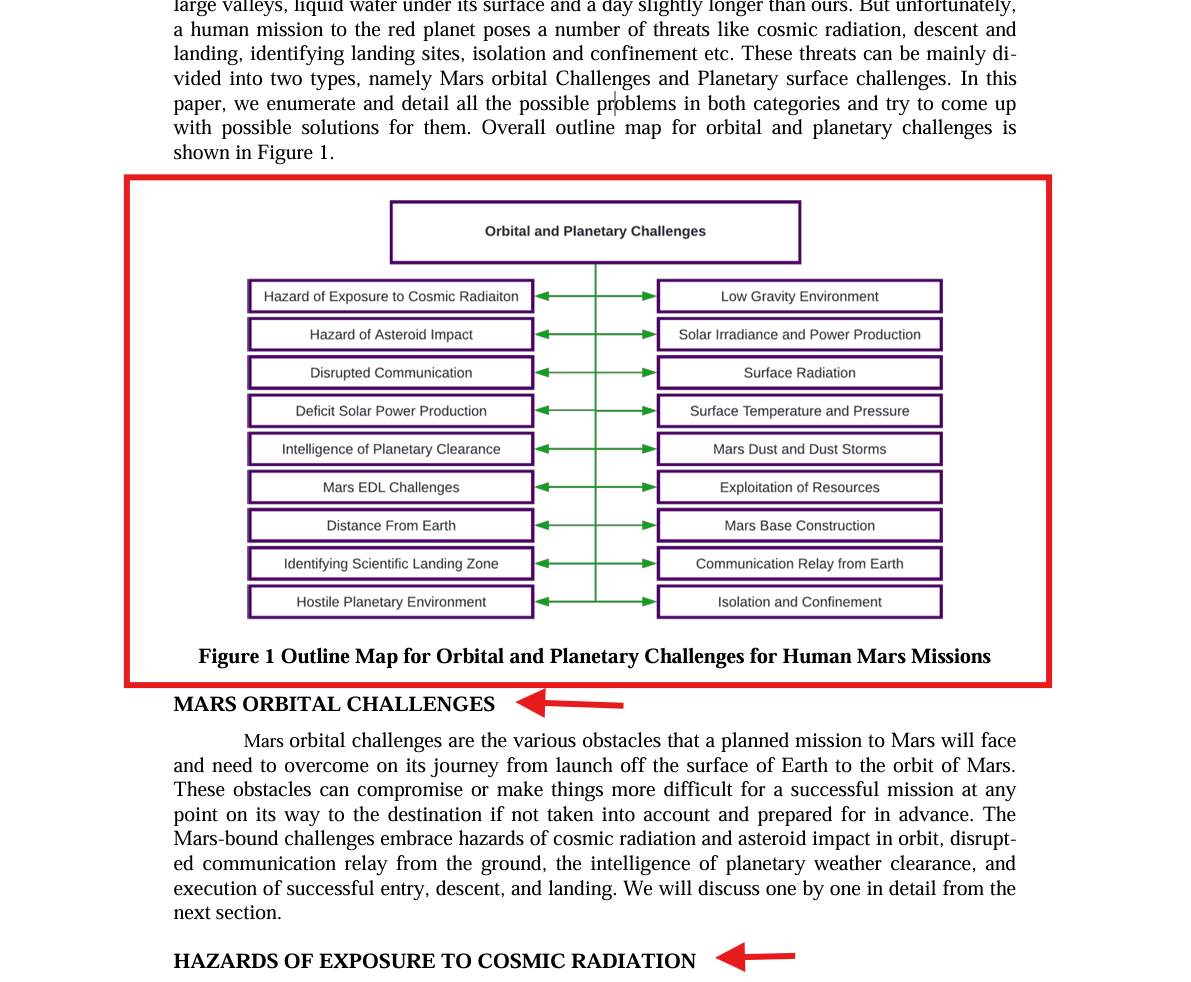
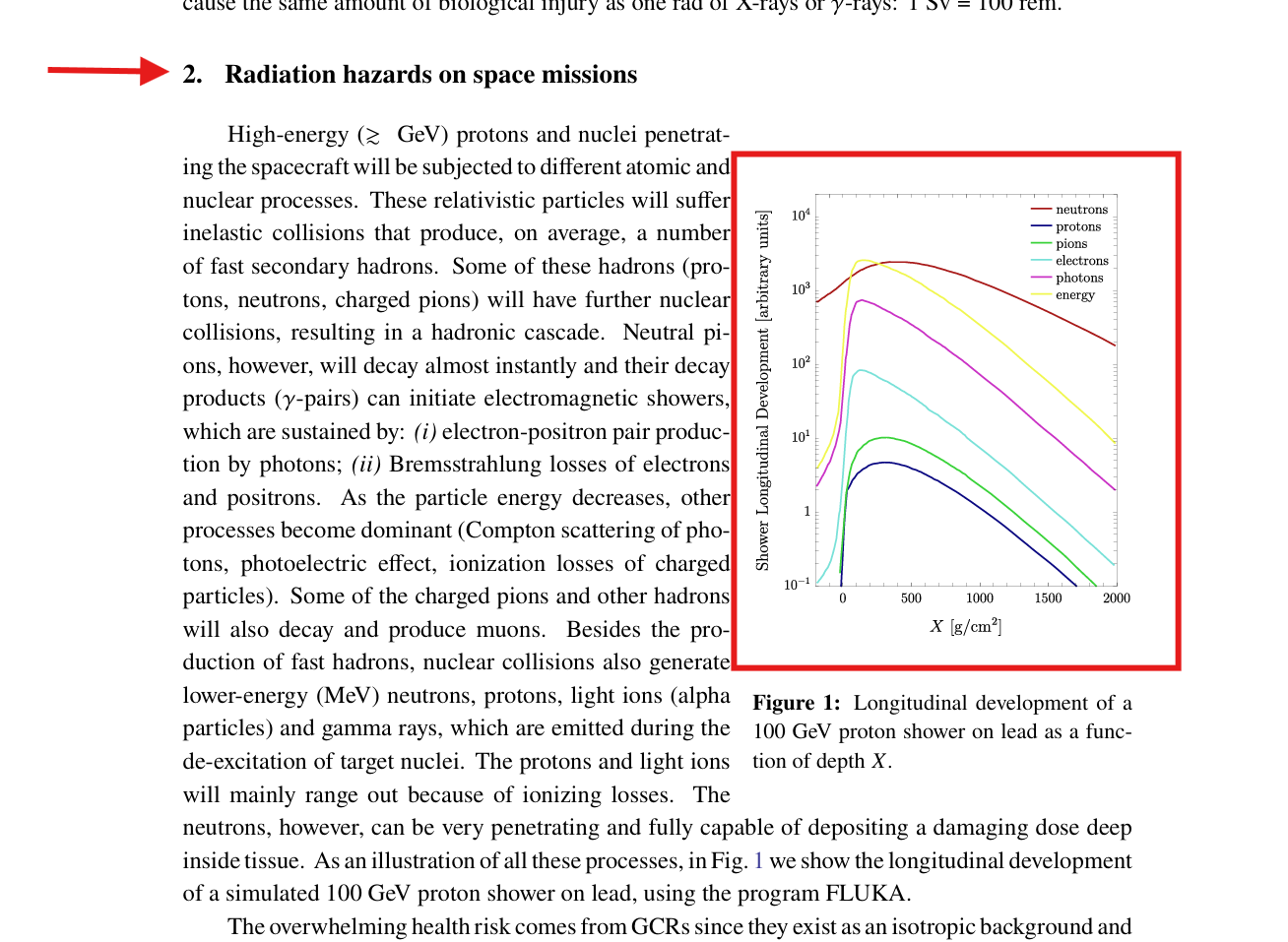
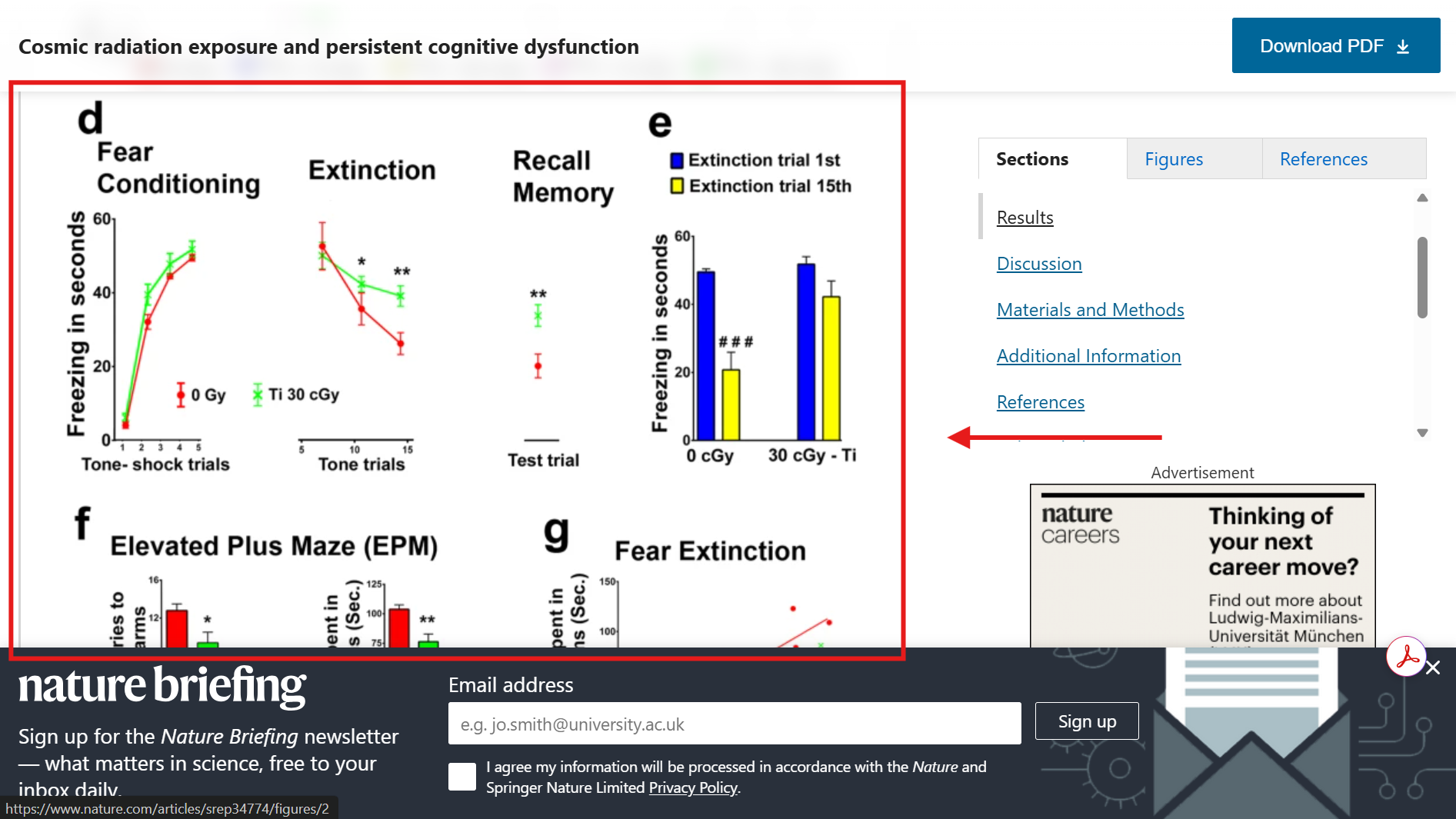
Maybe I would reconsider this plan (and my life choices) afterwards.
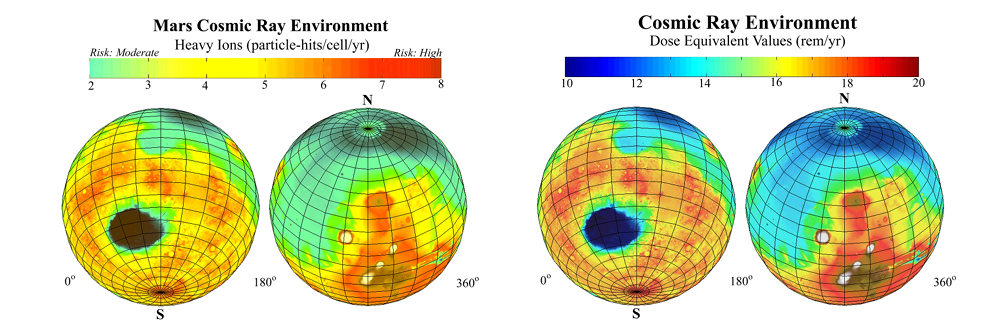
If I were still interested, I would go back to the source "Health threat from cosmic radiation during manned missions to Mars" and review the graph screenshotted as Figure 3 on this page to decide where to build.
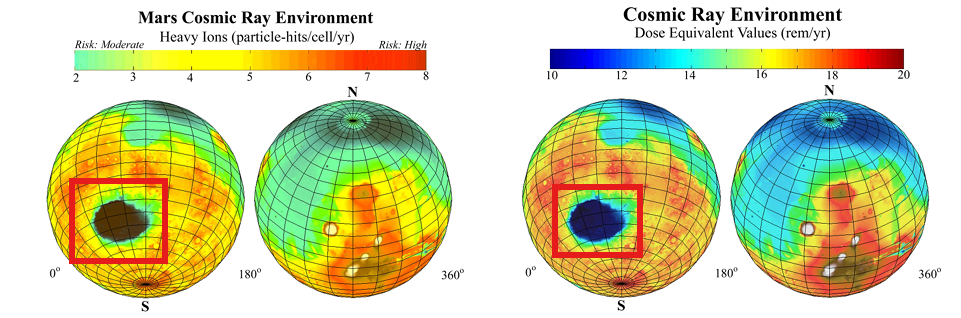
I would most likely build in the location indicated on the left, as that's where radiation seems to be the least.
Then, I would hand it all off to NASA or a personal team of engineers. But, becuase I would still like to understand the methods they may decide to employ, I would look at the last 3 resources linked in this webpage to compare and contrast the different methods of radiation mitigation.
Lastly, if I were still interested, I would go to the sources of the resources provided here to delve deeper into whatever caught my attention the most.
Because all of the information is already laid out for me, I can act on the insights from that information (in other words - convert it into knowledge).