

Universal & Disney World Incident Analysis
Have you ever been to a theme park and thought, "wow, this looks like one big accident waiting to happen"? Although it may seem like it, there are actually engineers and safety inspectors that meticulously work to make sure all the rides are safe for the guests.
So, what causes many of the accidents that do occur? Are they due to carelessness?
The purpose of this webpage is to examine the incidents and find any patterns in potential causes that have occurred at Universal and Disney World from 2002 to 2022. Whether you're a theme park fanatic, hypochondriac, ride engineer, or Walt Disney's frozen body coming to check on how your park's doing, this is the page for you.
The first thing I looked at is the top rides based on the number of incidents.
Top 4 Rides Based on Number of Incidents
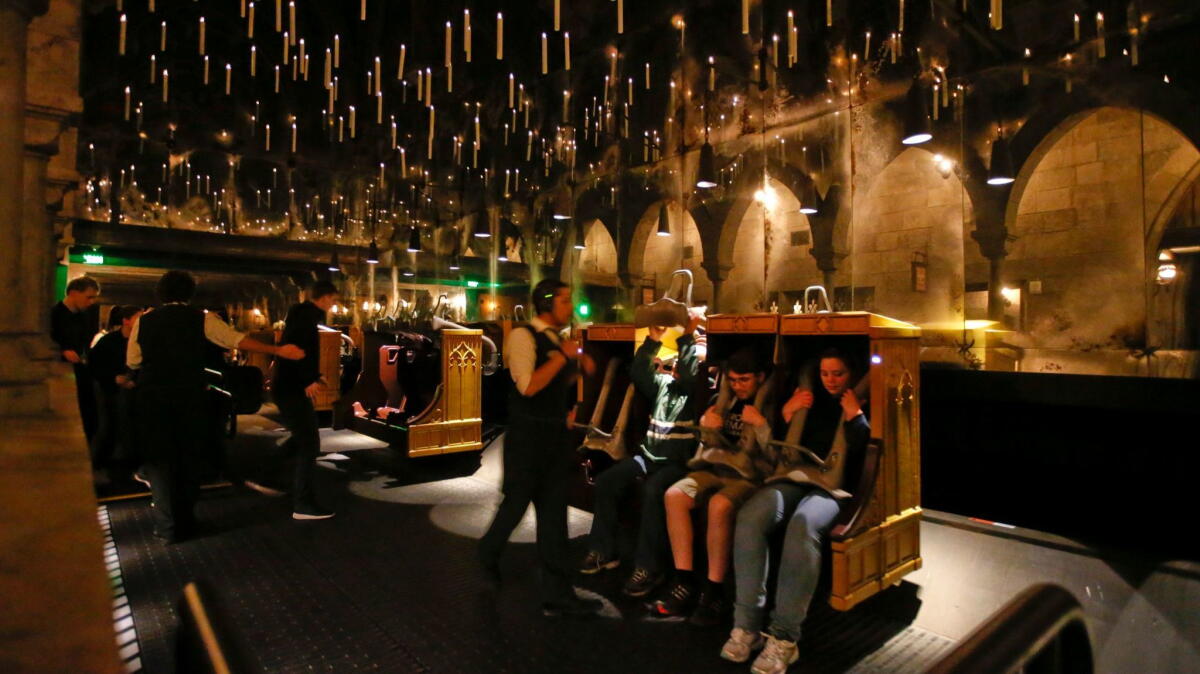
Harry Potter & The Forbidden Journey
Incidents: 44
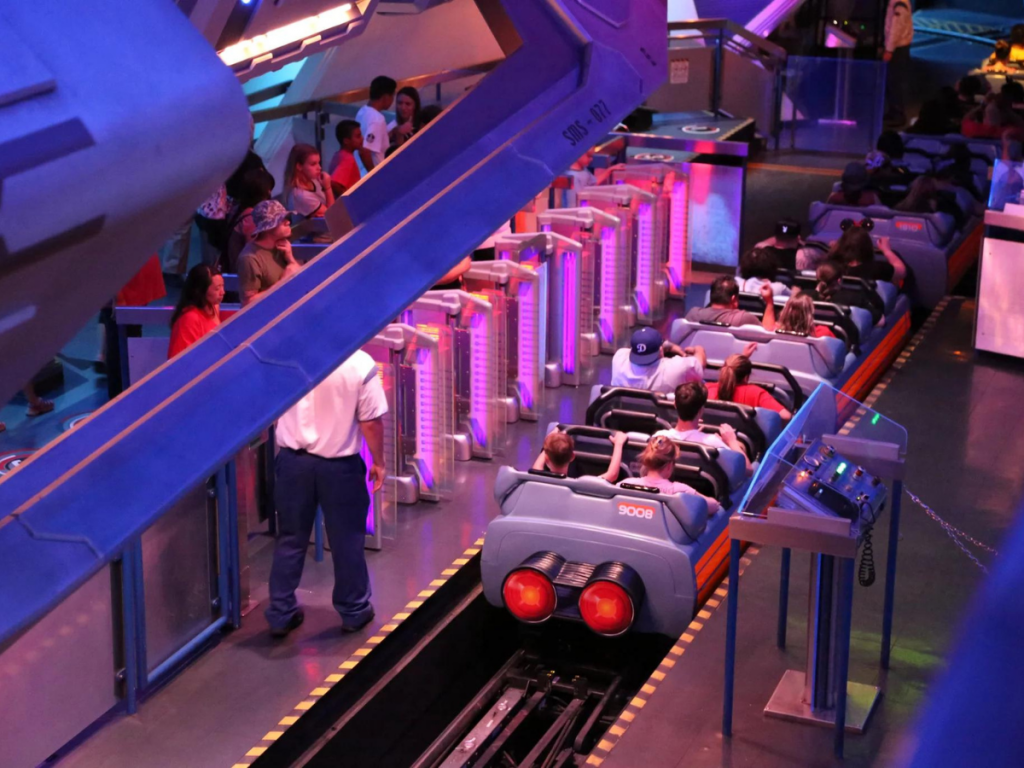
Space Mountain
Incidents: 39
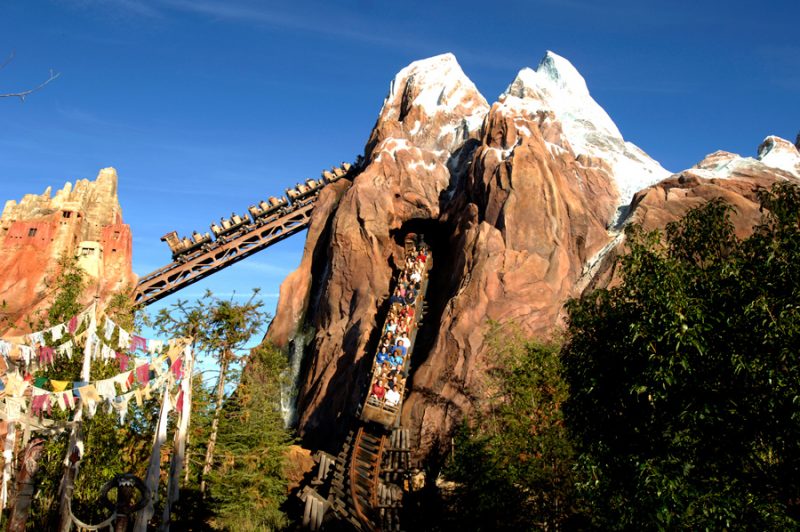
Expedition Everest
Incidents: 38
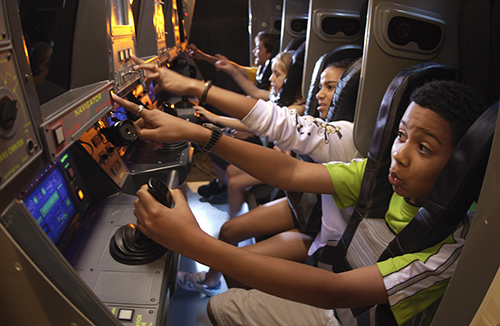
Mission: Space
Incidents: 36
The top four rides in terms of incidents were Harry Potter and the Forbidden Journey (44), Space Mountain (39), Expedition Everest (38), and Mission: Space (36). Together these four accounted for about 23% of all 682 incidents, and I wanted to figure out why these they happened.
One thing that I noticed looking at the data was that a large number of incidents noted that the victim had a pre-existing condition that likely contributed to what happened. In fact, 17.1% or roughly 1 out of 6 incidents involved a pre-existing condition. This led me to believe that many of the incidents were not, as expected, due to mechanical failure or anything of that sort, but rather the result of guests' health failing in high intensity situations such as these. See the filtered table below:
Other data also supports my argument, such as the number of incidents involving motion sickness, nausea, or vomiting, which added up to around 9.8% or 1 in 10. Together, incidents from pre-existing conditions or motion sickness (factors which are mostly out of the park engineers' control) make up 26.9% - or 1 in 4.
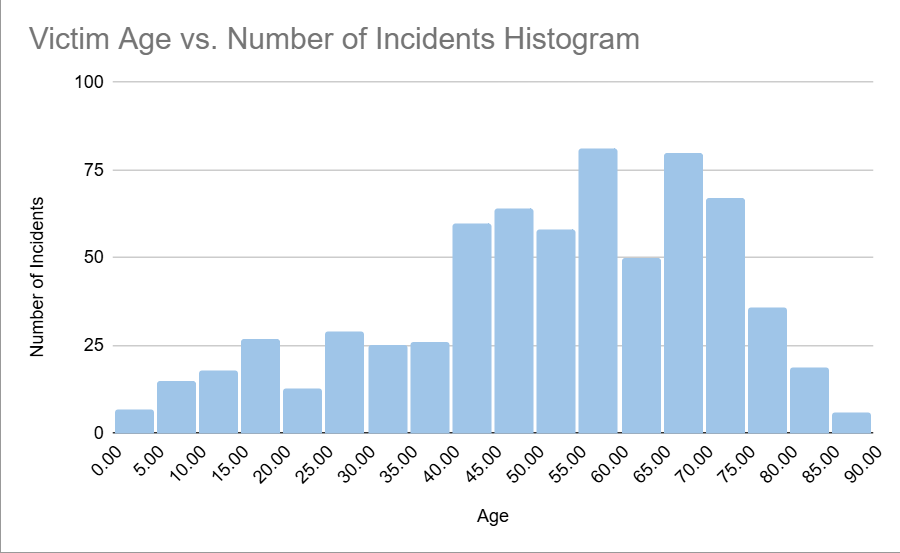
Why is it that the victims of these incidents often suffer from one health condition or another? I assumed many of the accidents would likely involve reckless teenagers or unaware kids, but in reality the median age was 54, with over half being between 45 and 74 years old. This lined up with my other findings, as if incidents are driven more by underlying health, then it makes sense that they would probably cluster among older guests, whose pre-existing conditions and mobility limitations would make injury more likely.
Glossary:
- Pre-existing condition
- A health problem a guest already had before riding, like a heart condition, epilepsy, or high blood pressure, and so on.
- Motion sickness
- Nausea, vomiting, or queasiness caused by a mismatch between what the eyes see and what the inner ear senses.
- G-force
- The force of acceleration a rider experiences, measured in multiples of normal gravity (1G).
- Syncope
- The medical term for fainting, or a temporary loss of consciousness caused by a brief drop in blood flow to the brain.
- Cardiac event
- An umbrella term for heart-related incidents including chest pain, heart attack, and cardiac arrest.